
Introduction
Self-development is the process of improving your skills, knowledge, mindset, and habits to become a better version of yourself. It is a lifelong journey that helps individuals unlock their potential, achieve their goals, and live a more fulfilling life.
In today’s fast-paced world, personal growth is more important than ever. Whether you want to advance your career, improve your relationships, boost your confidence, or achieve financial success, self-development provides the foundation for long-term progress.
What Is Self-Development?
Self-development refers to conscious efforts to improve various aspects of your life, including your mental, emotional, physical, and professional well-being. It involves identifying your strengths and weaknesses, setting goals, and consistently working toward personal improvement.
The purpose of self-development is not perfection but continuous growth. Small improvements made consistently over time can lead to significant changes in your life
Why Is Self-Development Important?
Personal growth helps individuals adapt to challenges, build resilience, and create opportunities for success.
Benefits of Self-Development
- Increased self-confidence
- Better decision-making skills
- Improved productivity
- Enhanced communication abilities
- Greater emotional intelligence
- Stronger relationships
- Higher career growth potential
- Increased happiness and life satisfaction
Investing in yourself often provides the highest return compared to any other investment.
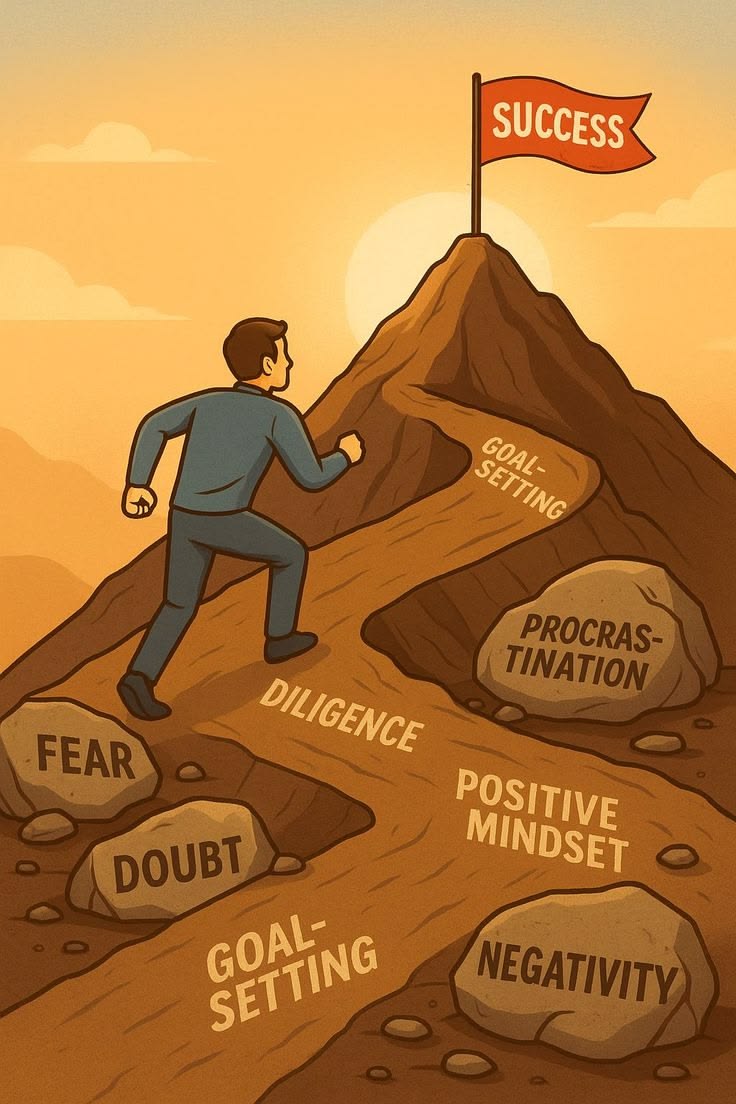
The Power of a Growth Mindset
A growth mindset is the belief that abilities and intelligence can be developed through effort, learning, and persistence.
People with a growth mindset view failures as learning opportunities rather than permanent setbacks. Instead of saying, “I can’t do this,” they ask, “How can I improve?”
Ways to Develop a Growth Mindset
- Embrace challenges
- Learn from criticism
- Celebrate progress, not perfection
- View mistakes as lessons
- Stay curious and open to learning
A positive mindset creates the foundation for continuous self-improvement.
Setting Meaningful Goals
Goals provide direction and motivation. Without clear goals, personal growth can become unfocused and ineffective.
Characteristics of Effective Goals
- Specific
- Measurable
- Achievable
- Relevant
- Time-bound
For example, instead of saying, “I want to be healthier,” set a goal such as, “I will exercise for 30 minutes five times a week for the next three months.”
Clear goals make progress easier to track and achieve.
Building Positive Habits
Success is often the result of daily habits rather than occasional efforts. Your habits shape your future.
Habits That Support Self-Development
- Reading regularly
- Exercising consistently
- Practicing gratitude
- Learning new skills
- Managing time effectively
- Maintaining a healthy routine
Small habits repeated daily can create remarkable results over time.

The Importance of Continuous Learning
Learning should not stop after formal education. The most successful individuals continuously acquire new knowledge and skills throughout their lives.
Ways to Continue Learning
- Read books and articles
- Take online courses
- Attend workshops and seminars
- Listen to educational podcasts
- Seek mentorship and guidance
Continuous learning increases adaptability and helps individuals stay competitive in a rapidly changing world
Improving Emotional Intelligence
Emotional intelligence is the ability to understand and manage your emotions while also recognizing and responding effectively to the emotions of others.
Key Components of Emotional Intelligence
- Self-awareness
- Self-regulation
- Empathy
- Motivation
- Social skills
Strong emotional intelligence improves relationships, leadership abilities, and overall well-being.
Overcoming Fear and Self-Doubt
Fear and self-doubt often prevent people from reaching their full potential. Many individuals avoid opportunities because they are afraid of failure or criticism.
Strategies to Overcome Self-Doubt
- Focus on progress rather than perfection
- Challenge negative thoughts
- Learn from past successes
- Take small action steps
- Surround yourself with supportive people
Confidence grows through action. The more you challenge yourself, the stronger your self-belief becomes.

Managing Time Effectively
Time is one of the most valuable resources. Effective time management allows you to focus on activities that contribute to your goals.
Time Management Tips
- Prioritize important tasks
- Avoid unnecessary distractions
- Create daily schedules
- Break large goals into smaller steps
- Review your progress regularly
Managing time wisely increases productivity and reduces stress.
Conclusion
Self-development is a lifelong commitment to growth, learning, and improvement. It empowers individuals to achieve their goals, overcome challenges, and create a meaningful life. While the journey requires patience and consistency, the rewards are invaluable.
Remember, becoming your best self does not happen overnight. Every book you read, skill you learn, habit you build, and challenge you overcome contributes to your personal growth. Start small, stay consistent, and continue moving forward. Your future self will thank you for the effort you make today.